The Valley of the Planets is one of the most fascinating natural landscapes on Earth. Known for its strange rock formations, dramatic terrain, and almost alien appearance, this valley looks like something taken straight from another planet. Travelers, photographers, hikers, and geology lovers are drawn to this place because of its unique beauty and mystery.
Unlike popular tourist destinations filled with resorts and crowds, the Valley of the Planets offers silence, raw nature, and a sense of discovery. It is a destination where nature shows its artistic side, shaped slowly over millions of years.
What Is the Valley of the Planets?
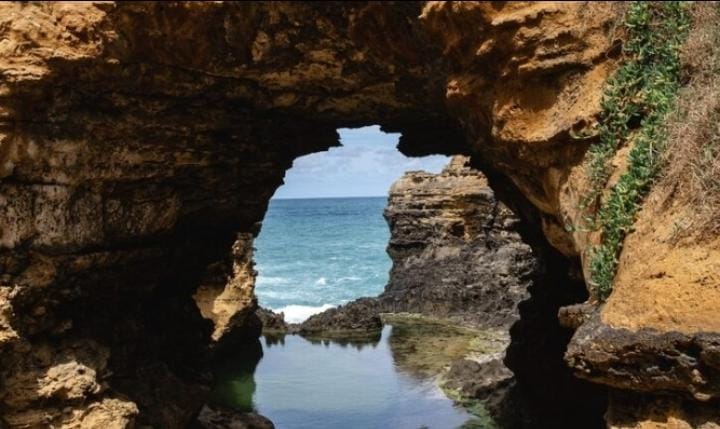
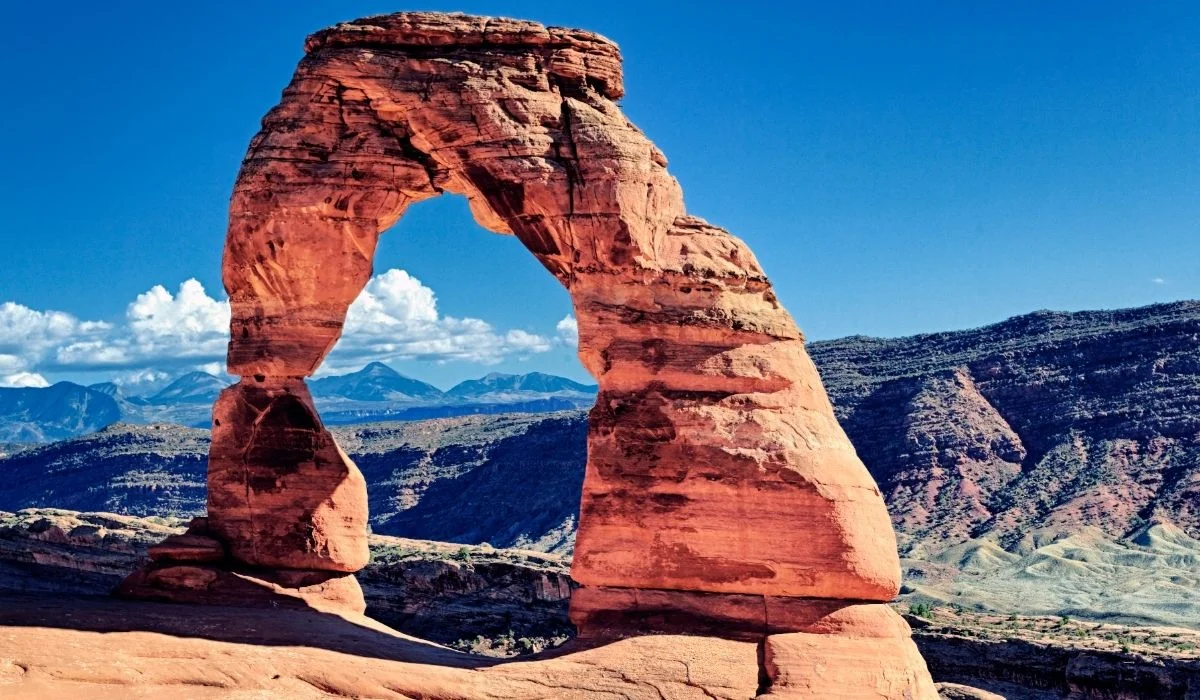
The Valley of the Planets is a natural area famous for rock formations that resemble planets, moons, and other celestial bodies. Smooth stone spheres, layered rocks, and unusual shapes scattered across the valley give it a cosmic appearance. This is why visitors often say it feels like walking on Mars or the Moon.
These formations are not man-made. They are the result of long geological processes involving erosion, wind, rain, and changes in climate. Over time, softer rock layers wore away, leaving behind rounded and sculpted shapes that now define the valley.
Why Is It Called the Valley of the Planets?
The name comes from the valley’s visual resemblance to space landscapes. The rocks often look like:
- Giant stone balls
- Miniature planets
- Meteor-like formations
- Lunar-style surfaces
When sunlight hits the rocks, especially during sunrise or sunset, the colors and shadows enhance the planet-like illusion. This makes the Valley of the Planets a favorite spot for photographers and filmmakers looking for surreal scenery.
Geological History and Formation
The Valley of the Planets tells a story that spans millions of years. Originally, the area was covered by sediment layers formed through water, volcanic activity, or ancient seabeds, depending on the region. Over time, tectonic movements lifted the land, and erosion began shaping the surface.
Key natural forces involved include:
- Wind erosion smoothing rock surfaces
- Rainwater carving grooves and channels
- Temperature changes causing rock expansion and cracks
These slow but powerful processes transformed ordinary stone into extraordinary natural sculptures.
Natural Beauty and Landscape
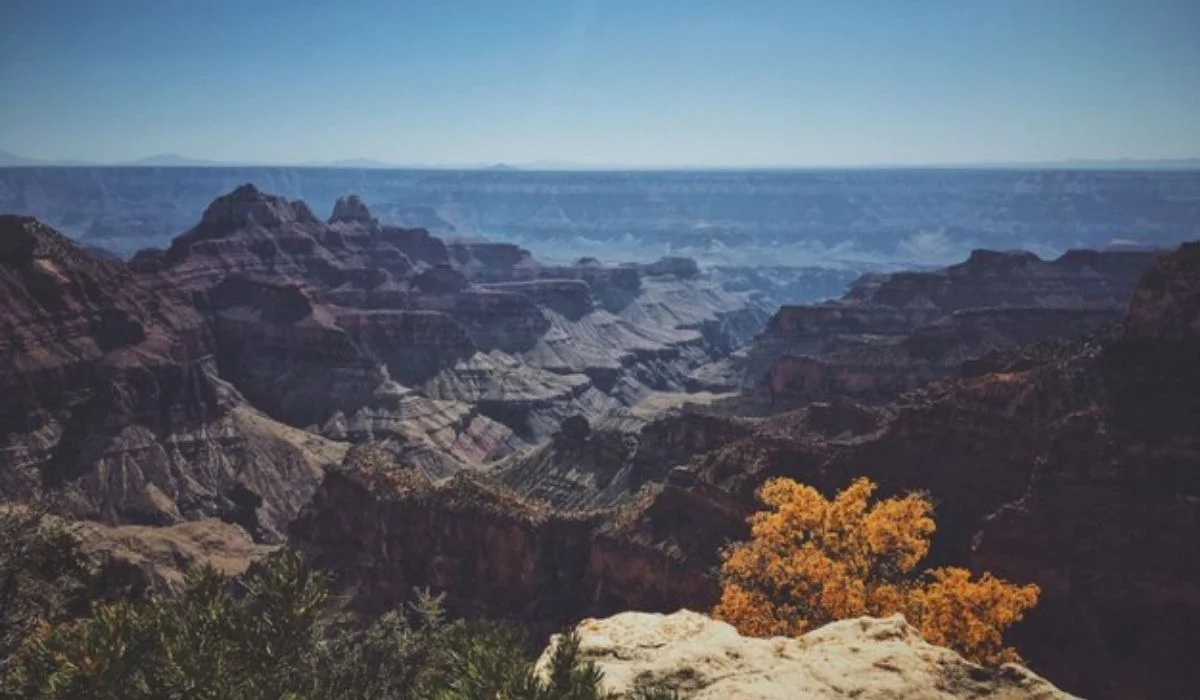
The valley’s landscape is both harsh and beautiful. Visitors can expect:
- Wide open spaces with minimal vegetation
- Rocky ground with unusual textures
- Earthy colors like red, brown, gray, and gold
- Vast skies that add to the feeling of isolation
Because of its remote and untouched nature, the Valley of the Planets offers a peaceful escape from modern life. There are no loud cities, no traffic noise—just wind, rocks, and sky.
Wildlife and Environment
Although the environment may seem barren, life still exists here. Small animals, reptiles, birds, and insects have adapted to survive in this rugged terrain. Plants are usually low-growing and drought-resistant, blending naturally into the rocky surroundings.
The ecosystem is fragile, which is why visitors are encouraged to respect nature and avoid disturbing rocks, plants, or wildlife.
Things to Do in the Valley of the Planets
Hiking and Exploration
Walking through the valley is like exploring another world. Trails may not always be clearly marked, so visitors should be prepared with proper footwear, water, and navigation tools.
Photography
The Valley of the Planets is a dream location for photographers. The best times for photos are:
- Early morning (soft light and long shadows)
- Late afternoon and sunset (warm colors and dramatic contrast)
Educational Visits
Geology students and nature enthusiasts often visit to study rock formations, erosion patterns, and natural land shaping.
Quiet Reflection
Many visitors enjoy the valley simply for its silence and open space. It is a perfect place for reflection, meditation, and disconnecting from daily stress.
Best Time to Visit
The ideal time to visit the Valley of the Planets depends on climate, but generally:
- Spring and autumn offer mild temperatures
- Summer can be very hot and dry
- Winter may bring cold conditions, depending on location
Always check local weather conditions before planning your visit, as the terrain can become challenging during extreme weather.
Safety Tips for Visitors
Because the Valley of the Planets is often remote, preparation is important:
- Carry enough water and snacks
- Wear sturdy hiking shoes
- Use sun protection
- Avoid climbing unstable rocks
- Do not visit alone if the area is isolated
Responsible travel helps protect both visitors and the environment.
Cultural and Tourism Importance
The Valley of the Planets is more than just a scenic spot. It represents the power of nature and the importance of preserving unique landscapes. In some regions, it has become a symbol of eco-tourism, encouraging sustainable travel and environmental awareness.
Local communities may benefit from tourism through guided tours, conservation efforts, and educational programs.
Why the Valley of the Planets Is Worth Visiting
This valley stands out because it offers something rare:
- A sense of being on another planet
- Natural art shaped by time
- Peace away from crowded destinations
For travelers looking for something different, the Valley of the Planets delivers an unforgettable experience.
Conclusion
The Valley of the Planets is a reminder that Earth still holds mysterious and extraordinary places. Its planet-like rock formations, quiet atmosphere, and geological history make it a destination unlike any other. Whether you visit for adventure, photography, education, or peace, this valley leaves a lasting impression.
Sometimes, the most incredible journeys are not to distant galaxies but to places on our own planet that feel just as magical.
FAQs
What is the Valley of the Planets?
It is a natural landscape known for planet-like rock formations shaped by erosion over millions of years.
Why is it called the Valley of the Planets?
Because its rocks resemble planets, moons, and other space-like surfaces.
Is the Valley of the Planets a real place?
Yes, it is a real natural area formed through geological processes, not man-made.
What can visitors do in the Valley of the Planets?
Visitors can hike, take photographs, study geology, and enjoy peaceful nature.
Is the Valley of the Planets safe to visit?
Yes, but visitors should prepare well due to its remote and rugged terrain.
When is the best time to visit the Valley of the Planets?
Spring and autumn are best because of mild and comfortable weather.
Is the Valley of the Planets good for photography?
Yes, especially during sunrise and sunset for dramatic lighting.
Does wildlife exist in the Valley of the Planets?
Yes, small animals, birds, reptiles, and hardy plants live there.