This article explores the topic of lititz springs park vandalism by examining community concerns, restoration efforts, public responsibility and long-term prevention strategies. Parks serve as valuable gathering spaces that support recreation, culture, and neighborhood identity. When damage occurs, residents, volunteers, and local organizations often work together to restore affected areas and strengthen community pride.
The discussion below highlights practical approaches to protection, education, maintenance, and cooperation. Understanding these factors can help communities preserve public spaces while encouraging respectful use and sustainable stewardship for future generations.
1. Understanding the Impact on Public Spaces
Public parks contribute to social interaction, recreation, and environmental balance. When property damage occurs in a shared space, the effects extend beyond physical repairs. Residents may feel disappointed when favorite gathering areas show signs of neglect or destruction. Children, families, and visitors often rely on these locations for relaxation and community events.
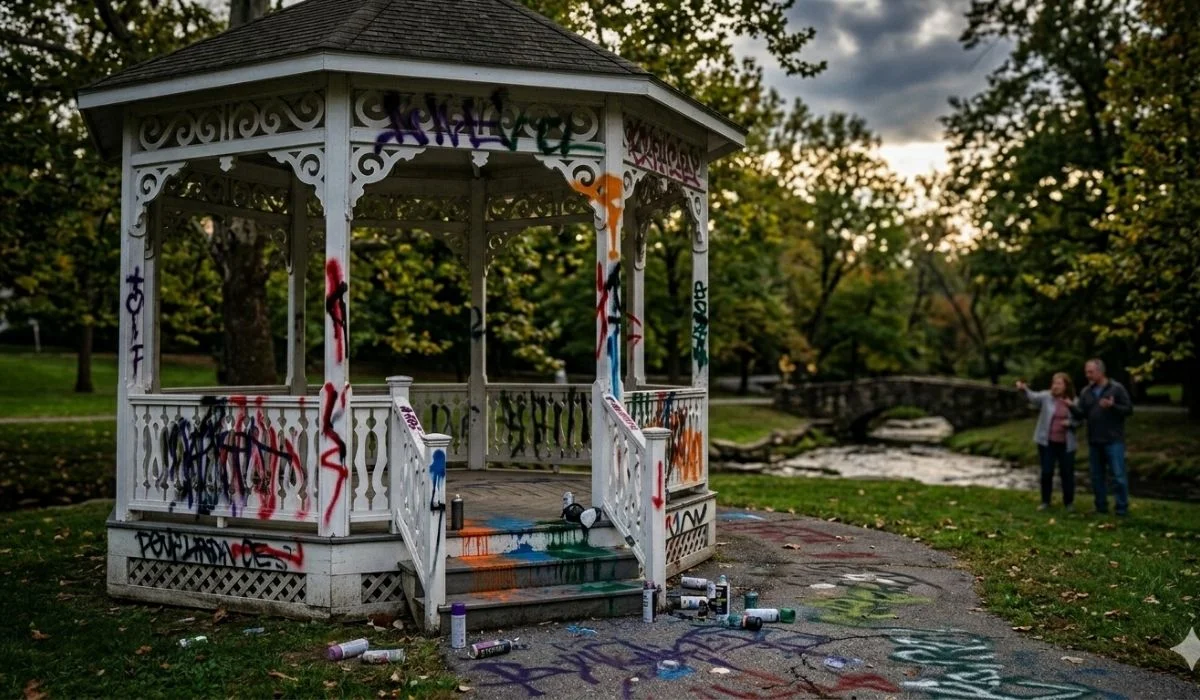
The recent Lititz Springs Park Vandalism incident highlights how damage to a beloved community space can affect residents and visitors alike. Repair costs can also place pressure on local budgets, requiring resources that could have supported improvements or new programs. Community members frequently respond by increasing awareness and encouraging responsible behavior.
A well-maintained park reflects civic pride and creates a welcoming atmosphere for everyone. Protecting public areas, especially in the wake of events such as Lititz Springs Park Vandalism, requires cooperation among residents, local authorities, and organizations that value the long-term benefits these spaces provide.
2. Why Community Parks Matter
Community parks offer opportunities for exercise, social connection, and appreciation of nature. They provide open spaces where people can walk, play, and participate in local activities. Parks often become landmarks that represent the history and character of a town.
When residents spend time outdoors together, stronger relationships develop among neighbors. These locations can also support local events, educational programs, and cultural celebrations that bring diverse groups together.
A healthy park system contributes to overall quality of life by promoting wellness and encouraging outdoor recreation. Communities that invest in park preservation often experience greater public engagement and pride. Maintaining these spaces helps ensure that future generations can enjoy the same benefits and experiences.
Visitors interested in outdoor recreation can also explore paris mountain state park for another example of a well-maintained public green space.
3. Common Forms of Park Damage
Damage in public parks can take many forms, ranging from graffiti and broken benches to destroyed landscaping and damaged signs. Even small incidents may require significant time and resources to correct. Trees, flower beds, pathways, and recreational equipment are particularly vulnerable when not treated with care.
Repair efforts often involve skilled workers, volunteers, and municipal departments working together to restore conditions. Repeated damage can discourage visitors and reduce participation in community activities. The impact of Lititz Springs Park Vandalism demonstrates how destruction in shared spaces can affect both community resources and visitor experiences. Understanding common forms of damage helps local leaders identify preventive measures and allocate resources effectively.
Education campaigns and community involvement often play important roles in reducing harmful behavior and encouraging greater respect for shared public environments.
4. The Financial Cost of Repairs
Repairing damaged park property can be expensive, especially when specialized materials or professional services are required. Funds used for restoration may come from public budgets, donations, or community fundraising efforts. Every repair project represents money that could have been directed toward new amenities, maintenance improvements, or recreational programs.
The financial impact of Lititz Springs Park Vandalism highlights how unexpected repair costs can strain community resources. Unexpected expenses can delay planned developments and create additional administrative challenges. Communities often benefit from transparent communication regarding repair costs and funding needs.
When residents understand the financial impact of damage, they may become more supportive of prevention initiatives and volunteer programs. Responsible use of public spaces helps reduce unnecessary expenses and ensures resources remain available for beneficial community projects.
5. Volunteer Efforts and Community Pride
Volunteer participation often becomes a powerful force in restoring and protecting public spaces. Residents who donate time and effort demonstrate a strong commitment to preserving community assets. Cleanup events, landscaping projects, and awareness campaigns can strengthen neighborhood relationships while improving park conditions.
Volunteers frequently inspire others to become involved, creating a positive cycle of engagement and responsibility. Community pride grows when people work together toward shared goals and witness visible improvements.
Organized volunteer activities can also provide educational opportunities for younger generations. Through consistent involvement, local residents help create environments that are welcoming, safe, and enjoyable. Collective action often proves essential in maintaining the long-term health of public parks.
Community-driven conservation efforts are often highlighted by platforms like Outdoor Promote that focus on outdoor awareness and stewardship.
6. The Role of Local Organizations
Local organizations often contribute valuable resources, expertise, and leadership to park preservation efforts. Nonprofit groups, civic associations, and community clubs may organize events that support maintenance and improvement projects. These organizations can also help coordinate volunteers, secure funding, and promote awareness about responsible park use in response to incidents such as Lititz Springs Park Vandalism.
Partnerships between community groups and public agencies frequently produce effective solutions to shared challenges. By encouraging collaboration, organizations strengthen the connection between residents and public spaces. Educational workshops, environmental programs, and fundraising campaigns often emerge from these partnerships.
Strong organizational support helps ensure that parks remain attractive, functional, and accessible. Their involvement can create lasting benefits that extend well beyond individual restoration efforts.
7. Education as a Prevention Strategy
Educational initiatives can play an important role in preventing future damage to public spaces. When individuals understand the value of parks and the consequences of destructive behavior, they are more likely to act responsibly. Schools, community groups, and local leaders can share information about conservation, stewardship, and civic responsibility.
Educational programs may include workshops, public presentations, and volunteer activities that encourage positive engagement. Young people especially benefit from opportunities to learn about protecting shared resources. Consistent messaging helps reinforce community expectations and promote respectful conduct.
Prevention through education often proves more effective and sustainable than relying solely on enforcement measures. Knowledge encourages long-term commitment to preserving valuable public assets.
8. Encouraging Responsible Park Use
Responsible park use begins with awareness and consideration for others. Visitors who respect rules and guidelines contribute to a safer and more enjoyable environment. Proper disposal of waste, protection of landscaping, and careful use of facilities help maintain overall park quality.
Communities can encourage responsible behavior through signage, public outreach, and positive examples set by local leaders. When people feel connected to a public space, they are more likely to care for it. Respectful conduct also helps reduce maintenance costs and supports a welcoming atmosphere.
Encouraging responsible habits benefits everyone who visits the park. Small actions performed consistently can make a significant difference in preserving community resources.
9. Building Stronger Neighborhood Connections
Neighborhood connections often grow through shared efforts to improve public spaces. Community projects create opportunities for residents to meet, collaborate, and build trust. Working together on cleanup events or restoration activities encourages a sense of ownership and responsibility.
Strong social relationships can help reduce negative behaviors by promoting accountability and mutual respect. Residents who feel invested in their community are more likely to report concerns and participate in solutions. Public parks frequently serve as gathering places where these connections develop naturally.
A united community can respond more effectively to challenges and support ongoing preservation efforts. Strong relationships contribute to safer, healthier, and more vibrant neighborhoods overall.
10. Environmental Considerations
Environmental health is closely connected to the condition of public parks. Damage to landscaping, trees, and natural habitats can affect local ecosystems and reduce biodiversity. Parks often provide important green spaces that support wildlife, improve air quality, and manage stormwater.
Restoration efforts should consider environmental sustainability and long-term ecological benefits. Native plantings, habitat protection, and responsible maintenance practices can strengthen environmental resilience.
Community involvement in conservation activities helps increase awareness of ecological issues and encourages stewardship. Protecting natural resources within parks benefits both people and wildlife. Environmental preservation supports healthier communities while ensuring that public spaces continue to provide valuable ecological services for years to come.
11. The Importance of Reporting Concerns
Prompt reporting of concerns can help minimize damage and support faster restoration efforts. Residents who notice problems are often the first line of communication between public spaces and local authorities. Reporting issues allows responsible agencies to assess situations, prioritize repairs, and implement appropriate solutions.
Effective communication systems encourage public participation and strengthen community trust. Clear reporting channels also help officials identify patterns that may require additional preventive measures. Timely action can prevent small problems from becoming larger and more costly challenges.
Encouraging residents to stay informed and engaged promotes a proactive approach to park management. Community awareness remains a valuable asset in protecting shared resources.
12. Technology and Modern Solutions
Technology can support park preservation through improved monitoring, communication, and maintenance planning. Following incidents such as Lititz Springs Park Vandalism, digital reporting tools allow residents to share information quickly and efficiently. Surveillance systems, when used appropriately and legally, may help discourage destructive behavior and support investigations. Data collection can assist officials in identifying recurring issues and allocating resources more effectively.
Social media platforms often help communities organize volunteer events and share updates about restoration projects. Technology also supports educational outreach by making information more accessible. While technology alone cannot solve every challenge, it can complement broader community efforts.
Combining innovation with public engagement creates stronger strategies for protecting and maintaining valuable public spaces, helping prevent future incidents similar to Lititz Springs Park Vandalism.
13. Long-Term Maintenance Planning
Long-term maintenance planning helps ensure that parks remain attractive, safe, and functional over time. In response to incidents such as Lititz Springs Park Vandalism, regular inspections can identify issues before they require extensive repairs. Maintenance schedules support efficient use of resources and contribute to consistent park quality.
Planning also allows communities to anticipate future needs and budget accordingly. Collaborative strategies involving public officials, volunteers, and local organizations often produce the best outcomes. Sustainable maintenance practices can reduce costs while protecting environmental resources. A proactive approach helps preserve infrastructure, landscaping, and recreational facilities.
Long-term planning demonstrates commitment to community well-being and supports continued enjoyment of public spaces. Consistency remains a key factor in successful park management.
14. Lessons Communities Can Learn
Communities often learn valuable lessons when responding to challenges affecting public spaces. The experience of Lititz Springs Park Vandalism can reveal opportunities to strengthen partnerships, improve communication, and increase public involvement. Restoration efforts often inspire creative solutions and greater civic engagement. Communities may adopt new policies, educational programs, or maintenance strategies based on previous experiences.
Learning from challenges helps prevent similar issues in the future and supports continuous improvement. Open dialogue encourages residents to share ideas and participate in decision-making processes. Every restoration project offers an opportunity to reinforce community values and priorities.
Lessons gained through experience can contribute to stronger, more resilient public spaces for everyone.
15. Creating a Culture of Stewardship
A culture of stewardship develops when residents recognize their shared responsibility for public resources. Stewardship involves caring for parks, respecting facilities, and encouraging others to do the same. In the aftermath of Lititz Springs Park Vandalism, the importance of community stewardship becomes even more evident. Communities that embrace stewardship often experience higher levels of volunteerism and public participation.
Positive examples from local leaders, educators, and residents help reinforce these values. Stewardship extends beyond maintenance and includes appreciation for history, environment, and community identity. Long-term success depends on sustained commitment from individuals and organizations alike.
When people take pride in protecting shared spaces, parks become stronger community assets. Building a culture of stewardship creates lasting benefits that support future generations and community well-being.
Conclusion
Public parks represent more than recreational spaces; they reflect the values, history, and spirit of a community. The response to Lititz Springs Park Vandalism demonstrates the importance of cooperation, education, responsible behavior, and ongoing commitment from residents and organizations. Restoration efforts can strengthen community bonds while encouraging greater appreciation for shared resources.
By promoting stewardship, supporting maintenance initiatives, and engaging in positive civic action, communities can preserve important public spaces for future generations. Consistent care and collective responsibility remain essential to ensuring that parks continue serving as welcoming places where people gather, learn, relax, and connect.
FAQs
- Why are public parks important to communities?
Parks provide recreation, exercise, social interaction, and environmental benefits for communities. - How does park damage affect local residents?
Park damage reduces enjoyment, affects safety, and can increase repair costs. - What role do volunteers play in park preservation?
Volunteers help with cleanups, maintenance, education, and community engagement. - How can education help prevent future problems?
Education promotes awareness and encourages responsible use of public spaces. - Why is community involvement important?
It builds responsibility, supports maintenance efforts, and strengthens community pride. - What are common types of park damage?
Common issues include graffiti, littering, broken equipment and damaged landscaping. - How can local organizations support restoration efforts?
They can provide funding, organize volunteers, and promote awareness campaigns. - What environmental benefits do parks provide?
Parks improve air quality, support wildlife, and help manage stormwater. - Why is reporting damage important?
Quick reporting helps authorities repair problems before they worsen. - How can technology assist park management?
Technology improves reporting, maintenance planning, and public communication. - What is meant by park stewardship?
Park stewardship means caring for and protecting public spaces responsibly. - How can communities create lasting improvements?
Through regular maintenance, education, partnerships and community participation.