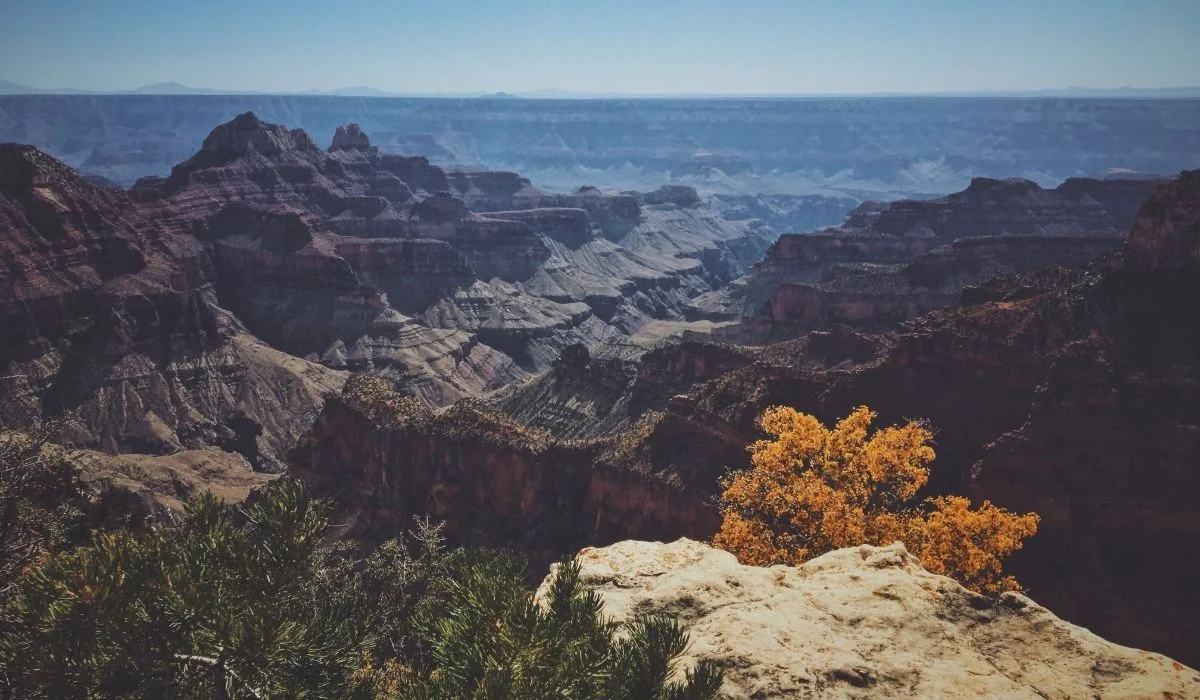
San Diego, California is famous for its beaches, sunny weather, and vibrant city life. But it’s also a paradise for hikers. With coastal trails, mountains, and desert landscapes, San Diego offers hiking experiences for every skill level. Whether you are a beginner looking for a scenic walk or an experienced hiker seeking a challenge, San Diego has something for everyone.
This guide highlights the best hikes in San Diego, CA, including trail details, difficulty, scenic views, and tips to make the most of your adventure.
Why Hike in San Diego?
San Diego is a hiker’s dream because of its unique geography:
- Coastal cliffs and beaches
- Rolling hills and mountains
- Chaparral-covered canyons
- Desert landscapes in inland areas
Hiking here not only offers exercise and adventure but also stunning views of the Pacific Ocean, city skyline, and wildlife. Trails range from easy family-friendly paths to challenging summit climbs.
Best Hikes in San Diego
1. Torrey Pines State Natural Reserve
Difficulty: Easy to Moderate
Distance: 2–8 miles (various trails)
Highlights: Coastal cliffs, rare Torrey pine trees, ocean views
Torrey Pines is one of San Diego’s most iconic hiking spots. Trails like Guy Fleming Trail and Razor Point Trail offer breathtaking views of the Pacific Ocean. Wildlife spotting, including seabirds and lizards, is common. This area is perfect for photography and sunset hikes.
2. Cowles Mountain
Difficulty: Moderate to Challenging
Distance: 3 miles round trip
Elevation Gain: 950 ft
Cowles Mountain is the highest peak within San Diego city limits. The hike provides panoramic views of the city, downtown, and surrounding mountains. The trail is steep in some sections but rewarding, making it popular among locals for morning or sunset hikes.
3. Potato Chip Rock (Mount Woodson)
Difficulty: Moderate to Strenuous
Distance: 7–9 miles round trip
Elevation Gain: 2,100 ft
This hike is famous for the Potato Chip Rock, a thin, chip-shaped rock at the summit perfect for photos. The trail offers stunning views of Lake Poway and surrounding hills. Start early to avoid crowds and heat, especially in summer.
4. Iron Mountain
Difficulty: Moderate
Distance: 5.8 miles round trip
Elevation Gain: 1,200 ft
Iron Mountain in Poway is a classic Southern California hiking trail. The summit rewards hikers with 360-degree views of the city, mountains, and desert. The trail is popular but not overly crowded, and it is suitable for fitness enthusiasts looking for a moderately challenging hike.
5. Mission Trails Regional Park
Difficulty: Easy to Strenuous (various trails)
Distance: 3–10 miles depending on trail
Highlights: Lake Murray, Fortuna Mountain, native flora and fauna
Mission Trails is one of the largest urban parks in the U.S. Trails like Cowles Mountain Loop and Tecolote Canyon Loop offer varied terrain. It’s a great place for families, hikers and bird watchers. The park also includes historical landmarks and educational opportunities.
6. Mount Laguna Trails
Difficulty: Moderate to Challenging
Distance: 2–8 miles
Highlights: Pine forests, wildflowers, seasonal snow
Mount Laguna offers a cooler escape from city heat, with trails winding through pine forests. The Sunset Trail and Stonewall Peak Trail are popular for breathtaking views of desert valleys, mountains, and the ocean in the distance. Winter snow makes it a rare snowy hike in San Diego County.
7. Black Mountain Open Space Park
Difficulty: Moderate
Distance: 4–7 miles
Elevation Gain: 1,000–1,200 ft
This park in Rancho Peñasquitos is great for hiking and mountain biking. The summit provides sweeping views of Rancho Peñasquitos, Poway, and the distant Pacific Ocean. Trails are well-marked and moderately challenging, making it ideal for a half-day hike.
Tips for Hiking in San Diego
- Start Early: Trails get hot and crowded in midday, especially in summer.
- Bring Water: Hydration is crucial, particularly for desert and mountain hikes.
- Wear Sun Protection: Sunscreen, hats, and sunglasses are recommended.
- Check Trail Conditions: Some areas may close due to fire risk or maintenance.
- Respect Nature: Stay on marked trails and carry out all trash.
- Use Proper Footwear: Trail shoes or hiking boots are recommended for uneven terrain.
Wildlife and Natural Beauty
San Diego hikes offer opportunities to see:
- Coastal birds like gulls and pelicans
- Lizards and snakes in desert areas
- Deer and coyotes in mountains and canyons
- Wildflowers during spring, especially in Mount Laguna
The combination of ocean, mountains, and desert makes San Diego hikes truly unique.
Seasonal Considerations
- Spring (March–May): Ideal for wildflowers and mild temperatures
- Summer (June–August): Coastal hikes are cooler; inland trails can be hot
- Fall (September–November): Perfect weather for most trails
- Winter (December–February): Mountain hikes may see snow; coastal trails remain mild
Why Hiking in San Diego Is Unique
San Diego offers a blend of landscapes within short distances:
- Hike to ocean cliffs and return to city streets in under an hour
- Trails for all levels, from easy family walks to strenuous climbs
- Scenic diversity: beaches, mountains, canyons, and desert
- Accessible urban hikes for locals and tourists
This variety makes San Diego one of the best hiking destinations in Southern California.
Conclusion
San Diego, CA is more than just a beach city it’s a hiker’s paradise. From coastal cliffs of Torrey Pines to summits like Cowles Mountain and Potato Chip Rock, there is a trail for everyone. Hikes offer not only physical activity but also stunning views, wildlife encounters, and a chance to connect with nature. Whether you are a tourist or local, exploring the best hikes in San Diego provides an unforgettable adventure in Southern California’s diverse landscapes.
FAQs
1. What are the best hikes in San Diego?
Top hikes include Torrey Pines State Natural Reserve, Cowles Mountain, Potato Chip Rock (Mount Woodson), Iron Mountain, Mission Trails Regional Park, Mount Laguna Trails, and Black Mountain Open Space Park.
2. Which hikes are suitable for beginners?
Easy trails include Torrey Pines (Guy Fleming Trail) and Mission Trails loops, offering scenic views without steep climbs.
3. When is the best time to hike in San Diego?
Spring (March–May) and fall (September–November) offer mild temperatures and scenic views. Coastal hikes remain comfortable in summer; winter is ideal for lower-elevation trails.
4. Do I need special gear for hiking in San Diego?
Basic gear includes sturdy shoes, water, sun protection, and a hat. For longer or mountain hikes, consider trekking poles and layered clothing.
5. Are pets allowed on San Diego trails?
Some trails allow dogs on leashes (e.g., Torrey Pines State Reserve has certain restrictions). Always check trail rules before visiting.
6. Is hiking in San Diego safe?
Yes, but follow safety tips: stay on marked trails, carry water, watch for wildlife, and check trail conditions.
7. Can I hike year-round in San Diego?
Yes, most coastal and low-elevation trails are accessible year-round. Mountain trails may see snow or closure during winter.