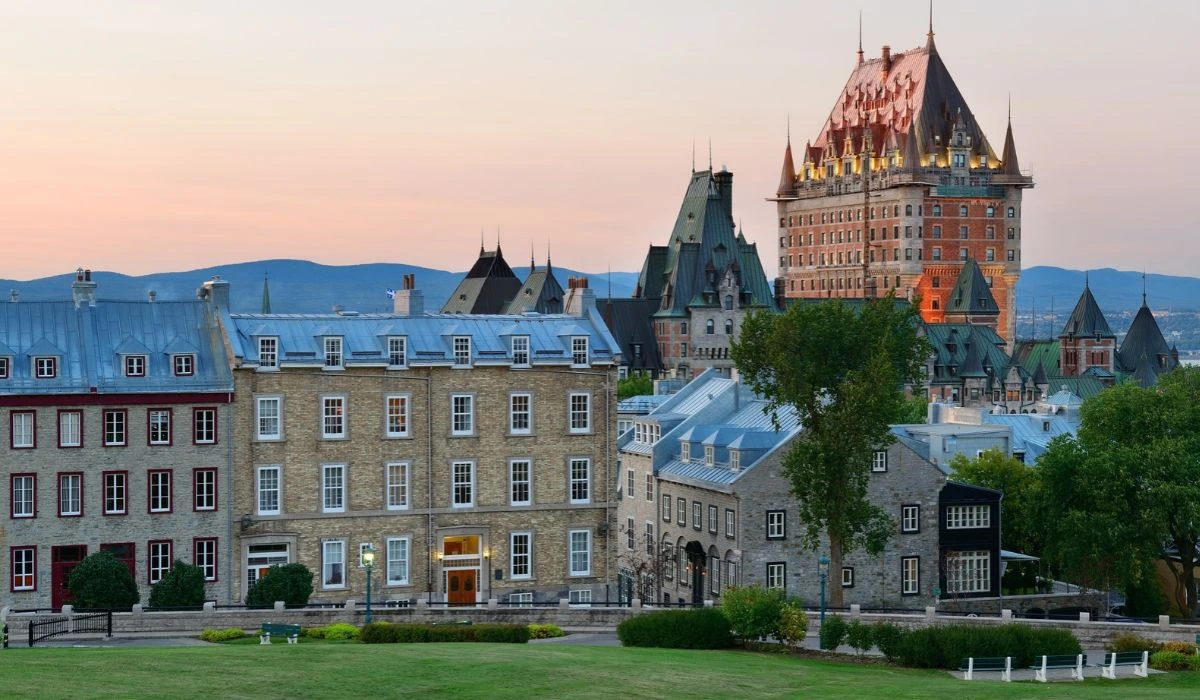
The Quebec region in Canada is known for its French-speaking culture, historic cities, beautiful landscapes, and unique traditions. Located in eastern Canada, Québec offers a mix of modern urban centers, charming small towns, forests, lakes, mountains, and scenic coastal areas. Visitors can explore historic streets, enjoy local food, attend cultural festivals, and discover outdoor activities throughout the year.
Québec is Canada’s largest province by land area, and its different regions offer a variety of experiences. Montréal is famous for its lively neighborhoods and cultural attractions, while Québec City is known for its historic architecture and European atmosphere. Beyond these cities, travelers can explore the Laurentians, the Eastern Townships, the Gaspé Peninsula, and the province’s northern landscapes.
Whether you are planning a vacation, learning about Canadian geography, or looking for a new destination to explore, understanding the Quebec region in Canada can help you discover what makes this part of the country special.
Where Is the Quebec Region in Canada?
Québec is located in eastern Canada, with much of its population concentrated in the southern part of the province near the St. Lawrence River. It borders Ontario to the west, New Brunswick to the southeast, Newfoundland and Labrador to the northeast, and the United States to the south. Its extensive territory stretches from populated southern areas to remote northern landscapes.
Québec is a province rather than a single city or small geographical region. The term Quebec region may refer to the province as a whole or, in some travel contexts, the area around Québec City. The province contains numerous administrative and tourism regions, each with its own landscapes, communities, and attractions.
The St. Lawrence River is one of the most important geographical features in Québec. It has historically supported transportation, settlement, and trade. Today, it remains a defining part of the province’s scenery and travel experience.
What Makes Québec Different From Other Parts of Canada?
Québec has a distinctive cultural identity shaped by its French language, history, local traditions, and diverse landscapes.
French Language and Culture
French is the official language of Québec and plays a major role in public life, education, business, and cultural expression. Visitors will commonly see French on road signs, menus, shopfronts, and public information boards.
English is also spoken in parts of the province, particularly in Montréal and some other communities. However, learning a few basic French expressions can make everyday interactions more comfortable.
Simple phrases such as bonjour (hello), merci (thank you), and s’il vous plaît (please) are useful when visiting shops, restaurants, and local attractions.
Historic Architecture
Québec’s built environment reflects centuries of history. Older neighborhoods feature stone buildings, traditional houses, narrow streets, and historic churches, while newer districts contain modern apartments, offices, and contemporary public spaces.
Québec City is especially notable for its historic district, fortified walls, and architecture associated with its colonial history. Montréal offers a different mix of historic streets, modern buildings, public art, and lively commercial areas.
Food and Local Traditions
Food is another important part of Québec’s identity. Visitors can sample poutine, a dish made with fries, cheese curds, and gravy, along with meat pies, regional cheeses, baked goods, and maple-based treats.
Maple syrup production is particularly associated with the province. In spring, some visitors enjoy traditional sugar-shack meals, where maple products and seasonal dishes are served in a countryside setting.
Local food also varies by destination. Larger cities provide international dining options, while rural communities may emphasize farm products, regional specialties, and locally produced ingredients.
Major Cities in the Quebec Region
Québec has several important urban centers, each offering a different atmosphere and range of activities.
1. Montréal
Montréal is the province’s largest city and a major center for arts, food, festivals, education, and business. Visitors can explore Old Montréal, browse independent shops, visit museums, enjoy public markets, and discover the city’s diverse neighborhoods.
It is a strong choice for travelers who enjoy urban experiences, cultural events, nightlife, and a wide variety of restaurants.
2. Québec City
Québec City is the provincial capital and one of the best places to experience the area’s historic character. Old Québec features fortified walls, stone buildings, historic squares, and picturesque streets overlooking the St. Lawrence River.
The historic district is recognized as a UNESCO World Heritage site. It is particularly appealing to visitors interested in architecture, history, local food, and seasonal celebrations.
3. Gatineau
Gatineau is located in western Québec, across the Ottawa River from Canada’s capital, Ottawa. It offers access to cultural attractions, museums, waterfront areas, and outdoor recreation.
Its location makes it a convenient option for travelers who want to explore both Québec and the national capital region during one trip.
4. Sherbrooke
Sherbrooke is an important city in the Eastern Townships, an area known for its rural scenery, lakes, villages, and outdoor recreation. The city provides access to regional attractions while offering restaurants, shops, cultural venues, and everyday urban conveniences.
It can be a useful base for travelers interested in exploring the surrounding countryside.
Best Regions to Explore in Québec
The province’s diversity becomes clearer when you travel beyond its major cities. Québec contains numerous tourism regions, each offering its own landscapes, attractions, and cultural experiences.
1. The Laurentians
The Laurentians, also called the Laurentides, are known for forests, lakes, mountain scenery, and four-season recreation. The area attracts visitors who want to spend time outdoors without staying in a major city.
Popular activities include hiking, cycling, skiing, snowboarding, kayaking, and relaxing at lakeside accommodations. Mont-Tremblant is one of the best-known destinations in the area.
Autumn is especially attractive for visitors who enjoy colorful foliage, while winter brings opportunities for snow sports. Summer is ideal for lake activities and exploring the region’s trails.
2. The Eastern Townships
The Eastern Townships, known in French as Cantons-de-l’Est, offer a mix of small towns, agricultural landscapes, lakes, and rolling hills.
This region is well suited to travelers looking for a quieter vacation. Visitors can explore local markets, scenic roads, vineyards, cycling routes, and rural accommodations. The area is also known for regional food and a relaxed countryside atmosphere.
It is a particularly appealing destination for couples, families, and travelers who prefer small-town experiences over busy city streets.
3. Charlevoix
Charlevoix lies along the St. Lawrence River northeast of Québec City. It is known for its mountain scenery, river views, artistic communities, and regional food.
Travelers can explore Baie-Saint-Paul, enjoy scenic drives, visit local galleries, and find hiking opportunities in the surrounding landscape. The combination of mountains and river views makes the area a rewarding stop for photography and nature-focused travel.
Charlevoix is also a good option for visitors who want to combine outdoor activities with small-town dining and cultural experiences.
4. Gaspésie
Gaspésie occupies a large peninsula in eastern Québec, where dramatic coastlines meet mountains and fishing communities.
The region is famous for scenic coastal drives, hiking, wildlife observation, and views of the Gulf of St. Lawrence. Parc national de la Gaspésie attracts outdoor enthusiasts, while Percé is widely associated with the striking Percé Rock formation.
Because distances can be substantial, visitors should allow enough time to explore rather than trying to cover the entire peninsula in a single day.
5. Saguenay–Lac-Saint-Jean
Saguenay–Lac-Saint-Jean is recognized for its lakes, forested landscapes, regional communities, and the impressive Saguenay Fjord.
The area appeals to visitors interested in hiking, kayaking, scenic viewpoints, and local food. The fjord creates dramatic views, while Lac Saint-Jean provides opportunities for waterfront recreation and exploring nearby communities.
This region is worth considering if you want to experience a different side of Québec beyond Montréal and Québec City.
6. Côte-Nord and Northern Québec
Côte-Nord follows a long stretch of the northern St. Lawrence shoreline. It offers coastal scenery, remote communities, forests, and opportunities for nature-based tourism.
Farther north, destinations such as Nunavik and Eeyou Istchee Baie-James have distinct geography, communities, and cultural traditions. These areas require more careful planning than the province’s main urban destinations because of their distances, transport options, and seasonal conditions.
Travelers heading into northern Québec should research local guidance and transportation arrangements before departure.
Best Things to Do in the Quebec Region in Canada
The best activities depend on where you go and when you visit. The province offers a mix of historic attractions, food experiences, outdoor adventures, and cultural events.
Explore Old Québec
Walk through the historic streets of Old Québec, admire its stone architecture, and visit public squares and historic landmarks. The area is enjoyable on foot, although some streets are steep and may be slippery in winter.
Allow time to explore smaller streets beyond the main tourist routes. They can offer quieter views, local shops, and a better sense of the historic neighborhood.
Discover Montréal’s Neighborhoods
Montréal offers museums, markets, galleries, restaurants, festivals, and distinctive neighborhoods. Old Montréal is a popular starting point, while other areas provide opportunities to discover street art, independent businesses, parks, and local food.
Rather than trying to see the entire city in one day, choose a few nearby neighborhoods and explore them at a comfortable pace.
Enjoy Outdoor Adventures
Nature is one of Québec’s biggest attractions. Depending on the season and destination, visitors can hike through forests, cycle along designated routes, paddle on lakes, watch wildlife, or ski in mountain areas.
National and regional parks provide opportunities to explore the landscape, but visitors should check trail conditions, weather forecasts, access rules, and reservations where required.
Experience Maple Season
Spring is associated with maple production in many parts of Québec. Some sugar shacks welcome visitors for traditional meals, demonstrations, and maple treats.
Opening dates vary with weather and individual businesses, so check current schedules before planning a visit.
Take a Scenic Road Trip
A road trip can help visitors experience the differences between Québec’s cities, rural communities, mountains, and coastal areas. The Gaspésie loop, routes through Charlevoix, and drives in the Eastern Townships can all provide memorable scenery.
Plan driving distances carefully. A destination that appears close on a map may require several hours to reach, particularly in the province’s more remote areas.
Weather and Best Time to Visit Québec
Québec experiences four distinct seasons, with conditions varying considerably between southern cities and northern destinations.
| Season | What to Expect | Best Activities |
| Spring | Gradually warming temperatures, melting snow, and variable conditions | City sightseeing and maple-season experiences |
| Summer | Generally warm weather in southern areas and long daylight hours | Festivals, hiking, cycling, and water activities |
| Autumn | Cooler temperatures and colorful foliage | Scenic drives, photography, and countryside visits |
| Winter | Cold weather and snow, with conditions varying by location | Skiing, snowshoeing, winter festivals, and seasonal activities |
Summer: June to August
Summer is a popular period for exploring cities, attending festivals, visiting parks, and enjoying outdoor activities. Days are relatively long, and many seasonal attractions are operating.
However, popular destinations can be busy, so advance reservations may be helpful during major events and holiday periods.
Autumn: September to November
Autumn is an excellent time to explore forests, mountains, and rural areas. Changing leaf colors create attractive scenery, especially in the Laurentians, Charlevoix, and the Eastern Townships.
Temperatures become cooler as the season progresses, so visitors should bring layers and check local conditions.
Winter: December to February
Winter brings snow and cold temperatures to much of Québec. Visitors can enjoy skiing, snowshoeing, skating, winter festivals, and seasonal attractions.
Warm clothing, suitable footwear, and flexibility around weather conditions are essential. Driving conditions can change quickly, so check road reports before traveling between destinations.
Spring: March to May
Spring is a transition period. Snow may remain in some locations while other areas begin to warm up. This season can be appealing for maple-related experiences and city visits, but muddy trails and changing weather may affect outdoor plans.
Best overall time: June through October is a useful general window for travelers who want a combination of city sightseeing and outdoor exploration. Winter may be the better choice for visitors specifically interested in snow sports and winter festivals.
Food You Should Try in Québec
Food offers an easy way to understand Québec’s cultural identity. The province has traditional dishes, regional ingredients, and a dining scene that ranges from casual restaurants to sophisticated city establishments.
Poutine
Poutine is one of Québec’s best-known dishes. It traditionally combines French fries, cheese curds, and hot gravy. Restaurants may offer different versions with additional toppings or ingredients.
Tourtière
Tourtière is a traditional meat pie associated with Québec cuisine. Recipes vary by region and family, and it is often served during holiday gatherings.
Maple Syrup Products
Maple syrup is used in desserts, candies, pastries, and other foods. During maple season, some rural establishments offer meals that celebrate the harvest.
Regional Cheeses and Local Produce
Québec produces a variety of cheeses, vegetables, baked goods, and other regional foods. Visiting farmers’ markets or local food shops can be a good way to discover specialties that differ from one area to another.
How to Travel Around Québec
Planning transportation is important because Québec is a very large province. Travel between nearby cities can be straightforward, but reaching remote coastal or northern destinations may take considerably more time.
Traveling by Car
A car offers flexibility for visiting smaller towns, national parks, lakes, and coastal areas. It is especially useful for road trips through the Eastern Townships, Charlevoix, and Gaspésie.
Before renting a vehicle, consider seasonal driving conditions, parking, fuel costs, and the distance between accommodations and attractions.
Using Public Transportation
Montréal and Québec City have public transportation options that can make urban sightseeing easier. Intercity bus and rail services may also work well for selected routes, although schedules and service availability vary.
Check the current timetable before building an itinerary around a particular connection.
Domestic Flights and Remote Travel
For some northern destinations, air travel may be the most practical option. Availability and costs depend on the departure point and destination.
Remote trips may also require local transport, guided excursions, or advance arrangements. Research these details before booking accommodation.
Travel Tips for First-Time Visitors
A little preparation can make a trip to Québec more enjoyable.
- Learn basic French: Simple greetings and polite expressions are useful in daily interactions.
- Plan by region: Avoid trying to visit distant parts of the province during a short stay.
- Pack for the season: Weather can change, and winter conditions require proper clothing.
- Book popular attractions ahead: Festivals, ski destinations, and well-known accommodations can become busy.
- Check driving conditions: Snow, rain, and long distances can affect road travel.
- Respect local communities: Follow park rules, respect private property, and learn about local customs before visiting remote areas.
- Check opening hours: Seasonal attractions and smaller businesses may operate on limited schedules.
Is the Quebec Region in Canada Worth Visiting?
Yes. Québec offers a wide variety of experiences within one province, from lively cities and historic neighborhoods to peaceful lakes, mountain landscapes, and rugged coastlines.
Travelers interested in culture and architecture may prefer Montréal and Québec City. Visitors seeking hiking, scenic drives, or quiet countryside experiences may find the Laurentians, Charlevoix, and the Eastern Townships more appealing. Those who have additional time can explore the distinctive coastal and northern regions.
The best itinerary depends on your interests, available time, season, and preferred pace. Choosing two or three destinations that complement each other is often more rewarding than trying to cover the entire province in a single trip.
Conclusion
The Quebec region in Canada combines French-speaking culture, historic architecture, diverse food traditions, modern cities, and remarkable natural scenery. From the lively streets of Montréal to the historic charm of Québec City and the landscapes of the Laurentians, Charlevoix, and Gaspésie, there are many ways to experience the province.
The key to a successful visit is choosing destinations that match your interests and allowing enough time to enjoy them. With thoughtful planning, Québec can offer a rewarding experience in every season, whether you prefer cultural sightseeing, outdoor adventures, local cuisine, or a peaceful countryside escape.
FAQs
1. Where is the Quebec region in Canada?
Québec is a province in eastern Canada. Its territory includes major cities, rural communities, forests, mountains, coastal areas, and extensive northern landscapes.
2. Is Québec a province or a region?
Québec is a Canadian province. The word region can also refer to one of its administrative or tourism areas, including the area surrounding Québec City.
3. What is the most famous city in Québec?
Montréal and Québec City are two of the province’s best-known destinations. Montréal is recognized for its cultural diversity, food, and festivals, while Québec City is famous for its historic district and architecture.
4. Do people speak English in Québec?
French is the official language. English is also spoken in some communities, particularly in Montréal, but language use varies by location. Basic French expressions can be helpful for visitors.
5. What is the best month to visit Québec?
June through October is a good general period for sightseeing and outdoor activities. Winter is ideal for visitors interested in skiing, snowshoeing, and winter festivals.
6. What food is Québec famous for?
Québec is well known for poutine, tourtière, maple syrup products, regional cheeses, and other local specialties.
7. How many days do you need to explore Québec?
Three to five days can provide a useful introduction to one or two major destinations. A longer trip is better if you want to explore several regions or take a road trip along the coast.
8. Is Québec suitable for nature lovers?
Yes. The province offers mountains, forests, lakes, fjords, coastal landscapes, and parks where visitors can enjoy hiking, paddling, wildlife observation, and winter sports.
9. Is Québec expensive to visit?
Travel costs depend on the destination, accommodation, season, and activities. Major cities and popular resort areas can be more expensive during busy periods. Booking in advance, traveling outside peak dates, and comparing accommodation options can help manage your budget.
10. Can you visit Montréal and Québec City on the same trip?
Yes. Both cities can be included in one itinerary. Travelers should allow enough time for sightseeing and account for transportation between them. Adding more destinations may require a longer stay.