Mountains in Minnesota offer a unique and peaceful outdoor experience that is quite different from traditional mountain destinations. When people think about mountains in the United States, they often picture the towering peaks of places like Colorado or Montana. However, Minnesota offers a different kind of mountain experience, one that is quieter, more accessible, and deeply connected to nature.
Minnesota does not have traditional high mountain ranges, but it is home to beautiful highlands, rocky ridges, and rolling hills that provide a similar sense of adventure. These landscapes may not be extremely tall, but they are rich in natural beauty and perfect for anyone looking to explore the outdoors without overwhelming difficulty.
The Unique Geography of Minnesota
Mountains in Minnesota landscape was shaped thousands of years ago during the Ice Age. Glaciers moved across the region, carving valleys, forming lakes, and smoothing much of the terrain. Because of this, the state does not feature sharp, jagged peaks like those found in more mountainous regions.
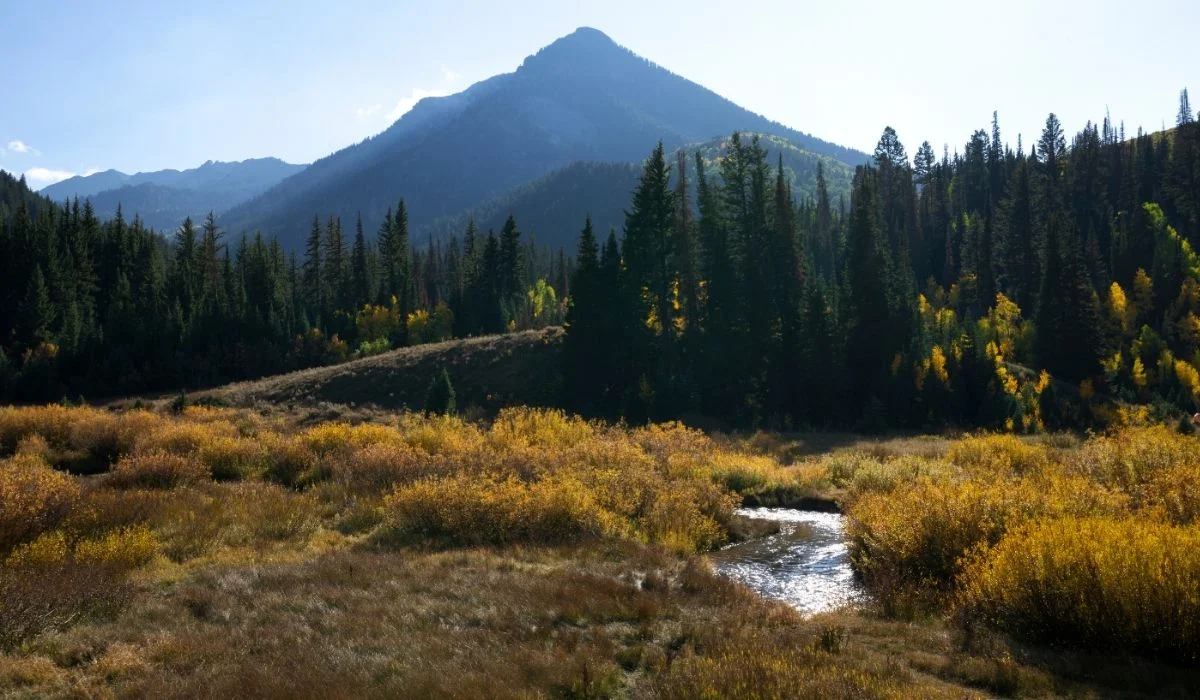
Instead, you’ll find gentle elevations, forest-covered hills, and scenic ridges. These formations are often referred to as mountains, even though they are technically highlands or uplands. What they lack in height, they make up for in charm and tranquility.
The Sawtooth Mountains – A Rugged North Shore Landscape
One of the most notable elevated regions when exploring mountains in Minnesota is the Sawtooth Mountains. Located along the North Shore of Lake Superior, this area offers some of the most dramatic scenery in the state.
The Sawtooth Mountains are known for their steep slopes and jagged ridgelines which give them a more traditional mountain-like appearance. While they are not very high, the sharp changes in elevation create stunning viewpoints overlooking the lake.
This region is ideal for hiking, photography, and scenic drives. The combination of dense forests, cool lake air and elevated terrain creates a refreshing and memorable outdoor experience.
Eagle Mountain – The Highest Point in the State
If you want to reach the highest point in Minnesota, Eagle Mountain is the place to visit. Standing at approximately 2,301 feet above sea level, it holds the title of the state’s tallest natural elevation.
The hike to Eagle Mountain is moderately challenging but suitable for most beginners. The trail takes you through forests, past small lakes, and gradually up to the summit. Along the way, hikers can enjoy the peaceful surroundings and natural beauty of the area.
The hike to Eagle Mountain is moderately challenging but suitable for most beginners, offering an experience somewhat similar to trails found in Hike Grand Teton, though on a smaller scale.
Superior Hiking Trail – A True Outdoor Adventure
Another great way to experience Minnesota’s elevated landscapes is by exploring the Superior Hiking Trail. This long-distance trail stretches for over 300 miles along the North Shore and passes through forests, ridges, and scenic overlooks.
The trail offers a mix of easy and challenging sections, making it suitable for both casual hikers and more experienced adventurers. Along the way, you can enjoy waterfalls, cliffs, and panoramic views of Lake Superior.
Even though the elevations are not extreme, the variety of terrain creates a hiking experience that feels similar to being in a mountainous region.
Mesabi Iron Range – Where Nature Meets History
The Mesabi Iron Range is another area worth exploring when discovering mountains in Minnesota. While it is best known for its mining history, it also features rolling hills and elevated landscapes that resemble small mountains.
Visitors to the Iron Range can enjoy scenic views, forested areas, and peaceful lakes, all while learning about the region’s industrial past. This combination of nature and history makes it a unique destination within Minnesota.
Why Mountains in Minnesota Are Special
Mountains in Minnesota stand out not because of their height but because of their atmosphere. They offer a peaceful and less crowded alternative to more famous mountain destinations.
Instead of busy tourist spots, you will find quiet trails, open spaces and a strong connection to nature. The presence of lakes alongside elevated terrain adds to the beauty, creating landscapes that are both relaxing and visually stunning.
These features make Minnesota an excellent choice for travelers who want a calm and enjoyable outdoor experience.
Outdoor Activities to Enjoy
Minnesota’s elevated regions provide a wide range of activities for visitors:
- Hiking: Trails like Eagle Mountain and the Superior Hiking Trail offer scenic routes for all skill levels, similar to the peaceful paths featured in Jones Trail.
- Camping: Many areas provide peaceful campsites surrounded by nature.
- Photography: The combination of forests, lakes, and hills creates perfect photo opportunities.
- Wildlife Watching: You may encounter deer, birds and other wildlife.
- Winter Activities: Snowshoeing and cross-country skiing are popular during the colder months.
Best Time to Visit
Each season offers a different experience in Minnesota:
- Summer: Warm weather and green landscapes make it perfect for hiking and camping.
- Fall: The changing leaves create vibrant and colorful scenery.
- Winter: Snow-covered hills provide a calm and beautiful setting for winter sports.
- Spring: A quieter time with blooming nature and fewer visitors.
Conclusion
Mountains in Minnesota may not be as tall as those in other states, but they offer something just as valuable peace, beauty and accessibility.
From the rugged scenery of the Sawtooth Mountains to the rewarding hike up Eagle Mountain, Minnesota provides a unique outdoor experience that is both relaxing and adventurous. It is a destination where you can slow down, enjoy nature, and explore at your own pace.
If you are looking for a place that combines scenic landscapes with a peaceful atmosphere, Minnesota’s mountains are definitely worth discovering.
FAQs
1. Does Minnesota have real mountains?
Minnesota does not have very high mountains like other states, but it has beautiful hills and ridges that offer a similar outdoor experience.
2. What is the highest point in Minnesota?
The highest point is Eagle Mountain, which reaches about 2,301 feet above sea level.
3. Where can I find mountain-like landscapes in Minnesota?
The Sawtooth Mountains along Lake Superior are the most popular areas for scenic views and hiking.
4. Is hiking in Minnesota suitable for beginners?
Yes, many trails are easy to moderate, making them perfect for beginners as well as experienced hikers.
5. What is a famous hiking trail in Minnesota?
The Superior Hiking Trail is one of the most well-known trails, offering beautiful views and varied terrain.
6. When is the best time to visit?
Summer is great for outdoor activities, while fall is popular for its colorful foliage and scenic beauty.
7. Can I camp in these areas?
Yes, there are many campsites available near trails and forest areas, especially along the North Shore.
8. Are these places crowded?
No, compared to major mountain destinations, Minnesota’s natural areas are usually quieter and more peaceful.