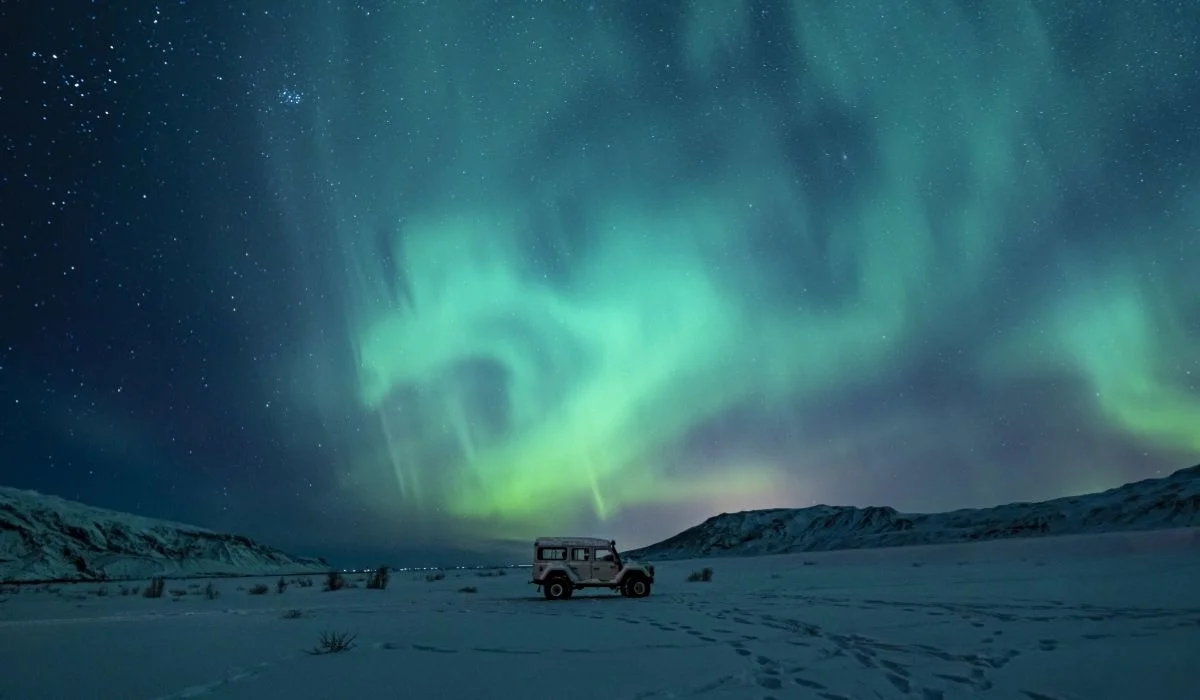
The Northern Lights, or Aurora Borealis, are one of nature’s most mesmerizing phenomena. Dancing colors of green, purple, pink, and gold in the night sky attract travelers and photographers from around the world. While seeing the Aurora Borealis requires some planning and luck, certain locations give you the best chance of witnessing this magical display.
This guide highlights the top destinations for seeing the Northern Lights, when to go, and tips for maximizing your experience.
What Are the Northern Lights?
The Northern Lights occur when charged particles from the sun interact with Earth’s magnetic field and atmosphere. These particles collide with gases in the upper atmosphere, causing beautiful light displays.
Key facts:
- Colors vary from green to red, purple, and even blue.
- Best seen in dark, clear skies away from city lights.
- Most active during winter months in high-latitude regions.
Similar to unique landscapes like Valley of the Planets, the aurora attracts travelers from around the world.
Top Countries to See the Northern Lights
1. Norway
Norway is one of the most popular destinations for aurora seekers.
Best spots:
- Tromsø: Known as the “Gateway to the Arctic,” with high aurora activity.
- Lofoten Islands: Stunning fjords combined with Northern Lights.
- Alta: Clear skies and fewer crowds.
When to go: September to March for the best visibility.
2. Iceland
Iceland offers dramatic landscapes that make Northern Lights photos unforgettable.
Best spots:
- Thingvellir National Park: Dark skies and natural beauty.
- Jökulsárlón Glacier Lagoon: Aurora reflections on icebergs.
- Reykjavik outskirts: Away from city lights for clearer views.
When to go: Late September to early April.
3. Sweden
Sweden’s Lapland region is perfect for winter adventures and aurora viewing.
Best spots:
- Abisko National Park: One of the world’s most reliable places to see auroras.
- Kiruna: Winter activities plus frequent aurora sightings.
When to go: November to March.
4. Finland
Finland’s northern Lapland combines snowy landscapes with excellent Northern Lights visibility.
Best spots:
- Rovaniemi: Also home of Santa Claus Village.
- Kakslauttanen: Famous glass igloos for watching auroras from your bed.
When to go: September to March.
5. Canada
Canada offers remote wilderness and high chances of clear skies.
Best spots:
- Yellowknife, Northwest Territories: Known as the aurora capital of North America.
- Whitehorse, Yukon: Scenic landscapes and regular aurora sightings.
- Banff & Jasper National Parks: Rocky Mountain backdrop for stunning photos.
When to go: December to March.
6. Alaska, USA
Alaska is ideal for seeing the Northern Lights, with plenty of dark skies and high-latitude locations.
Best spots:
- Fairbanks: Offers aurora-viewing tours and heated lodges.
- Denali National Park: Remote wilderness with minimal light pollution.
- Anchorage outskirts: Accessible for city visitors seeking aurora tours.
When to go: Late August to April, with peak activity in winter.
7. Greenland
Greenland offers pristine Arctic landscapes and incredible aurora displays.
Best spots:
- Kangerlussuaq: High aurora probability with clear skies.
- Nuuk: Combine culture with aurora viewing.
When to go: September to April.
Tips for Seeing the Northern Lights
- Check the aurora forecast: Websites like the Geophysical Institute (for Alaska) or Aurora Service Europe provide real-time predictions.
- Go far from city lights: Dark, rural areas provide the best visibility.
- Plan for cold weather: Temperatures can drop well below freezing; dress in layers.
- Stay multiple nights: The aurora isn’t guaranteed every night, so longer stays increase your chances.
- Bring the right equipment: Camera with long exposure, tripod, and warm gear for night photography.
Seasonal Considerations
- Winter (Nov–Mar): Long nights, high aurora activity, perfect for Arctic regions.
- Autumn (Sep–Oct): Good visibility and fewer tourists.
- Spring (Apr–May): End of aurora season; nights still long in high latitudes.
Unique Aurora Experiences
- Glass Igloos in Finland: Watch the lights from your bed.
- Aurora Cruises in Norway and Iceland: View lights over the ocean.
- Dog Sledding & Snowmobiling Tours: Combine adventure with aurora hunting.
- Photography Workshops: Specialized trips to capture the aurora perfectly.
Outdoor lovers who enjoy places like High Rocks Park will find these experiences unforgettable.
Conclusion
Seeing the Northern Lights is a dream for many travelers, and choosing the right destination can greatly improve your chances of witnessing them. Countries such as Norway, Iceland, Sweden, Finland, Canada, Alaska, and Greenland are among the best locations for viewing this natural phenomenon.
With good planning, patience, and a bit of luck, you may get the chance to experience one of the most breathtaking displays in nature.
Whether you enjoy remote wilderness, comfortable lodges, or guided adventure tours, there are Northern Lights experiences available for every type of traveler.
FAQs
What are the Northern Lights?
The Northern Lights, or Aurora Borealis, are colorful light displays in the sky caused by charged solar particles colliding with Earth’s atmosphere.
Where are the best places to see the Northern Lights?
Top destinations include Norway, Iceland, Sweden, Finland, Canada, Alaska (USA), and Greenland.
When is the best time to see the Northern Lights?
Generally from September to March in most Arctic regions, with peak activity during winter months (Nov–Feb).
Do I need special equipment to see them?
No, but a camera with long exposure and a tripod is recommended for photography. Warm clothing is essential for cold nights.
Can I see the Northern Lights from cities?
They are best seen away from city lights in dark, rural areas for clearer visibility.
Are Northern Lights guaranteed every night?
No, they are natural phenomena and sightings depend on solar activity, weather, and darkness. Staying multiple nights improves your chances.
Are there unique ways to experience the Northern Lights?
A: Yes, options include glass igloos in Finland, aurora cruises in Norway and Iceland, dog sledding, snowmobiling tours, and photography workshops.